


Why PÓTHEO

Natural Coconut Water
Naturally contains electrolytes & minerals that support everyday hydration.

Functional Ingredients
Adaptogens, electrolytes & B vitamins to support how you feel.

Nothing Unnecessary
No added sugar. No sweeteners. Nothing artificial.


WHY COCONUT WATER
We use real coconut water instead of regular water. Naturally rich in electrolytes, it provides a better foundation for everyday hydration and functional nutrition.
INGREDIENTS WITH PURPOSE
Every ingredient has a purpose. We carefully select adaptogens, electrolytes and B vitamins to create drinks designed for everyday wellbeing — not just for taste.
WHY CLEAN INGREDIENTS MATTER
Most drinks are made for taste. We believe feeling your best starts with clean ingredients. That's why we leave out added sugar, sweeteners and anything unnecessary.
Find your drink
Choose the formula that fits your day.

HYDRATION
Real coconut water and guava juice, enhanced with electrolytes, vitamins and adaptogens for everyday hydration.
- Electrolytes & hydration
- Everyday recovery
- No added sugar

ENERGY & FOCUS
Real coconut water and orange juice, enhanced with plant-based caffeine, adaptogens and vitamins for clean energy and focus.
- Steady energy
- Focus & mental support
- No artificial stimulants
Where to find


About us
Our journey has always been fueled by curiosity and a thirst for adventure - crossing continents, marveling ancient wonders, and finding peace in remote corners of the world.
But we soon realized that true exploration wasn’t just about the places we saw, but about challenging ourselves, balancing health, and staying sharp, no matter where we roamed.
Frustrated with sugary, incomplete options, we created POTHEO - a natural elixir of adaptogenic herbs and essential nutrients, designed to empower every explorer’s mind and body.

Let customers speak for us

Man labaaai patiko, ragavau abudu. Bet vat šis energy, tai išvis 🤤 aš redbull mėgėja, tai galiu pasakyt kad jis eina į antrą eilę, ta prasme ištikrųjų išgėriau ir toks jausmas kad energijos antplūdis bet toks be drebulio kai būna nuo kavos ar energetinių.. nors man su mano anemija kad atsibusti ryte reik daug laiko, o čia toks visiškai tobulas ryto gėrimas, arba kai noris dienos eigoje įgauti tos energijos. Nuoširdi nuomonė, man LABAI patiko! Tikrai wow🤩
Daniela
MIXED PACK – Hydration & Energy

Labai geras skonis 🫶🏼
Deimantė Tukalytė
MIXED PACK – Hydration & Energy
Super 👌
Simona Dem
MIXED PACK – Hydration & Energy
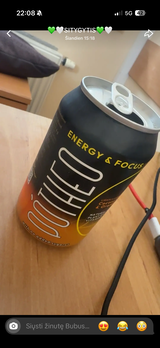
Puikus rinkinukas
Gytis Prakapas
POTHEO
Super
Arminas Kavaliauskas
POTHEO

I'm addicted
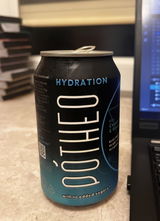
Unikalus skonis! Puikiai atgaivina ir suteikia budrumo po nepertraukiamu darbo valandu prie kompiuterio. Labai patinka atsaldytas!
Energy gerimas yra tiesiog neprilygstamas, labai gerai išdirbtas skonis. 10
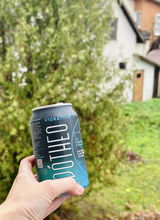
Skooonis 100balų! Norisi dar ir dar. 🤤 TOBULA, kad turite negazuotą gėrimą, kas man labai aktualu. Niekur dar nebuvau atradusi GERO ir NE sintetinio skonio negazuoto gėrimo su elektrolitais/vitaminais. O šis kokosų/guavos man drąsiai pakeistų net vandenį ir nauda daug didesnė🤤🩵🩵🩵
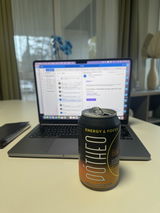
Puikus apelsinų ir kokoso skonio derinys, ne tik skanu, bet ir labai gerai tonizuoja.

Drąsu ir labai skanu! Džiugina, kad į didelę gėrimų rinką atėjo neišvalkioti, o nauji ir dėmesio skirti skoniai!
Karolis V.
HYDRATION – Coconut Water & Guava
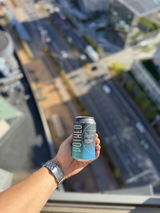
Very lovely drink,hydrating and taste is on point. No artificial flavouring as you could find in other alike drinks.
Augustas
MIXED PACK – Hydration & Energy

Puikus gėrimas – gaivus ir unikalus, net nežinau, su kuo palyginti. Ne kantriai laukiu, kol pasirodys parduotuvėse!
Deividas
MIXED PACK – Hydration & Energy
Loved both, and Hydration 100/10, so smooth. Would definately recommend. This may just become my daily drink in the evening.
Svajunas G
MIXED PACK – Hydration & Energy
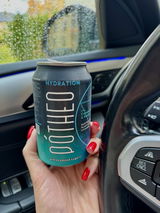
Nuostabi atgaiva po treniruotės ar intensyvesnės veiklos. Švelnaus ir subtilaus skonio. Mažina nuovargį bei atstato jėgas, didžiausios rekomendacijos! 💙
Agnesa Česonienė
HYDRATION – Coconut Water & Guava


FAQ
1. What are adaptogens and why use them?
Adaptogens are certain herbs, plants, and mushrooms that help the body adapt to stress and restore balance. In our drinks, we use powerful adaptogens such as ginseng, maca, tulsi, and ginkgo biloba, which may help support cognitive function, energy, and overall well-being.
Read more on our blog
2. What’s the difference between Energy & Focus and Hydration drinks?
Energy & Focus is designed to give you a clean mental and physical boost with 100mg of natural caffeine from guarana, matcha, and green coffee beans, plus adaptogens like ginkgo biloba, maca, and ginseng, vitamins B6 and B12, and other nutrients to support focus, stamina, and mental clarity.
Hydration is caffeine-free and supports rehydration and recovery with coconut water, NFC (Not From Concentrate) juices, stress-reducing adaptogens like tulsi, ginseng, and maca, and essential electrolytes — magnesium, sodium, and potassium — to help maintain fluid balance, muscle function, and energy levels. It also includes vitamins B6 and B12 to support natural energy metabolism and recovery.
3. Are your drinks natural and free from artificial ingredients?
Yes! All our drinks are made with real, natural ingredients — including coconut water, NFC (Not From Concentrate) juices, adaptogens, and vitamins. No artificial sweeteners, preservatives, or synthetic additives.
4. How much caffeine is in the Energy & Focus drink?
Each can of Energy & Focus contains approximately 100mg of natural caffeine — about the same as a strong cup of coffee. The caffeine comes from natural sources like guarana, matcha, and green coffee beans.
5. Will I crash after drinking Energy & Focus?
We combine natural caffeine with adaptogens like ginkgo biloba, maca, and ginseng to provide a smooth, sustained boost — without the jitters or crash typical of synthetic energy drinks.
6. When should I drink Energy & Focus or Hydration?
Energy & Focus is ideal in the morning, before a workout, or as a natural pick-me-up during a workday.
Hydration is perfect post-workout, after travel, or anytime you need to rehydrate and rebalance.
7. Can I drink both Energy & Focus and Hydration in one day?
Yes, you can. Many people enjoy Energy & Focus earlier in the day for a natural mental boost, and Hydration later for recovery and rebalancing. Just be mindful of your total caffeine intake if you’re sensitive to it.
8. Can I drink Hydration daily or after workouts?
Absolutely. Hydration is perfect for daily use — whether after exercise, during travel, or anytime you need to replenish fluids and electrolytes naturally.
9. Are your drinks vegan, gluten-free, or allergen-free?
Yes! All of our drinks are 100% vegan, gluten-free, and free from common allergens. We use clean-label ingredients and avoid dairy, soy, and artificial substances.
10. What vitamins and minerals are included, and why?
We include essential B vitamins (B6 and B12) to support energy metabolism, and key electrolytes like magnesium, sodium, and potassium to support hydration and muscle recovery.
11. Can pregnant or breastfeeding women drink your products?
Due to the presence of adaptogens and natural caffeine, we recommend consulting a healthcare provider before consuming our drinks if you are pregnant or breastfeeding.
Ready to explore?
Join the movement of modern alchemists choosing real ingredients and real performance.


Read more in our blog
-

7 Adaptogens for Modern Life: Natural Energy, Less Stress, Sharper Mind
Modern life often feels like a never-ending marathon — work, family, social commitments, constant obligations. All of this drains our energy and a...
-

Adaptogens: What They Are and How They Help You Find Balance
Modern life often pushes us to move faster than we’d like. Demanding workdays in the office, intense workouts, creative projects, and a constant f...

